You’ve heard it a hundred times: If you want to get in shape... “Just move more.”
And yeah – walking’s great, yoga’s great, even gardening’s better than nothing!
But here’s the truth bomb the new W.H.O. data just dropped:
You might need to move harder – not just longer.
How do you do that? Find out here!
TL;DR
New research suggests that vigorous exercise – the kind that makes you sweat, swear, and question your life choices – might be up to four times more effective minute-for-minute than light or moderate movement.
That doesn’t mean walking is useless. It just means you’ll spend a hell of a lot more time walking to match what a few intense sessions can deliver.
All movement counts. Some just count faster.
That’s the low down. Now let’s unpack what this actually means – and how to use it without breaking yourself.
1. The Old Rules Just Got Upgraded
The World Health Organization used to say adults should aim for 150–300 minutes of moderate exercise a week, or 75–150 minutes of vigorous work. (World Health Organization)
That ratio – 2:1 – made sense… until new data suggested it might be closer to 4:1.
Translation?
You get a lot more bang per minute from hard, high-effort training than we thought.
So instead of needing double the time to “balance it out,” vigorous exercise delivers even more impact – better heart health, metabolism, longevity, and resilience – in less time.

2. The Power of the “Hard Stuff”
Moderate movement (like walking, cycling, casual lifting) builds a solid base.
But vigorous effort – sprints, heavy lifts, intervals – hits the body on a deeper level:
- It pushes your heart and lungs into the growth zone.
- It challenges your nervous system to adapt.
- It teaches your body to handle stress – and bounce back stronger.
The outcome? You build not just fitness, but capacity.
You’re training your system to perform, not just survive.
3. The Catch – It’s Still Observational
Before you go full Rocky montage, remember: this data is observational.
That means we can’t say cause = effect.
People who train hard often sleep better, eat better, and have better habits overall.
So it’s not just the sweat – it’s the lifestyle that supports it.
But still… it’s damn hard to argue with decades of data showing that the people who move with intent, who push their limits, live longer, move better, and feel sharper.
4. You Can’t Out-Walk a Sprint
Here’s the brutal truth: you can’t out-walk a sprint.
You can walk for hours and never hit what 15 minutes of intensity can do.
That doesn’t mean walking’s useless – it’s recovery gold.
It just means you need to layer intensity on top of it if you want real progress.
So if you’re time-poor, stressed, or juggling life – you don’t need more exercise.
You need smarter exercise.
Something that spikes the system, challenges you, and forces adaptation.
5. How to Apply This Without Burning Out
Here’s how to mix intensity safely into your week:
- If you’re training 2–3 days: Make one session vigorous – sprint intervals, heavy lifts, hard conditioning.
- If you’re training 4–5 days: Mix it – two hard sessions, the rest moderate.
- If you’re new: Start small. One “sweaty” session a week, build from there.
Then back it up with sleep, hydration, and food that fuels recovery.
Remember – stimulus is only half the equation. Adaptation happens in rest.
Takeaways (Quick Wins)
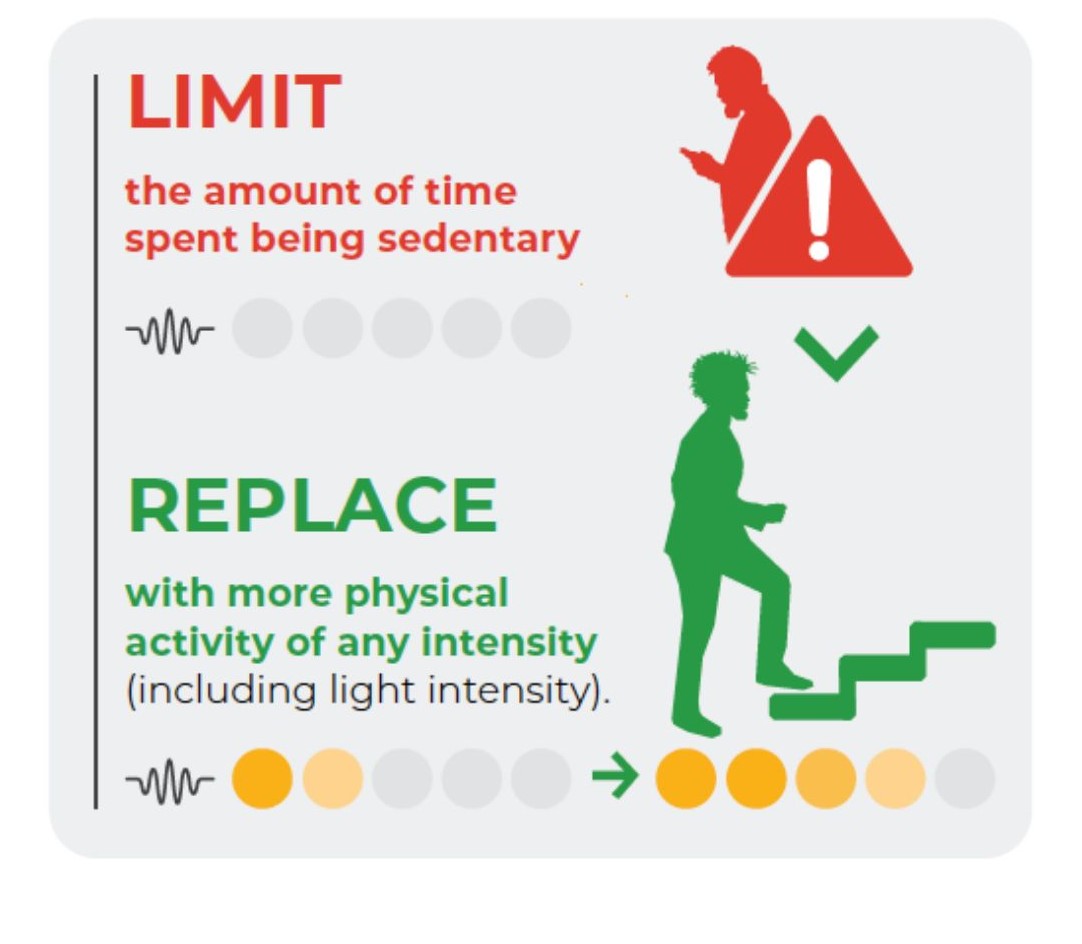
- Vigorous training is time-efficient. 20 minutes hard beats 60 minutes easy.
- Moderate exercise still matters. Don’t ditch it – just balance it.
- You can’t cheat recovery. More isn’t better if you’re under-slept or over-stressed.
- Start where you are. You don’t need to die on the treadmill – just push the dial.
- All movement counts. Some just count faster.
Coaches Corner
So strap on your runners, grab that heavier weight, and go earn the sweat.
You don’t need to train for hours – you just need to train with intent.
Because the science is clear: when it comes to performance, longevity, and life –
effort still wins.
– Coach Simon | FSC Strength & Performance Specialist